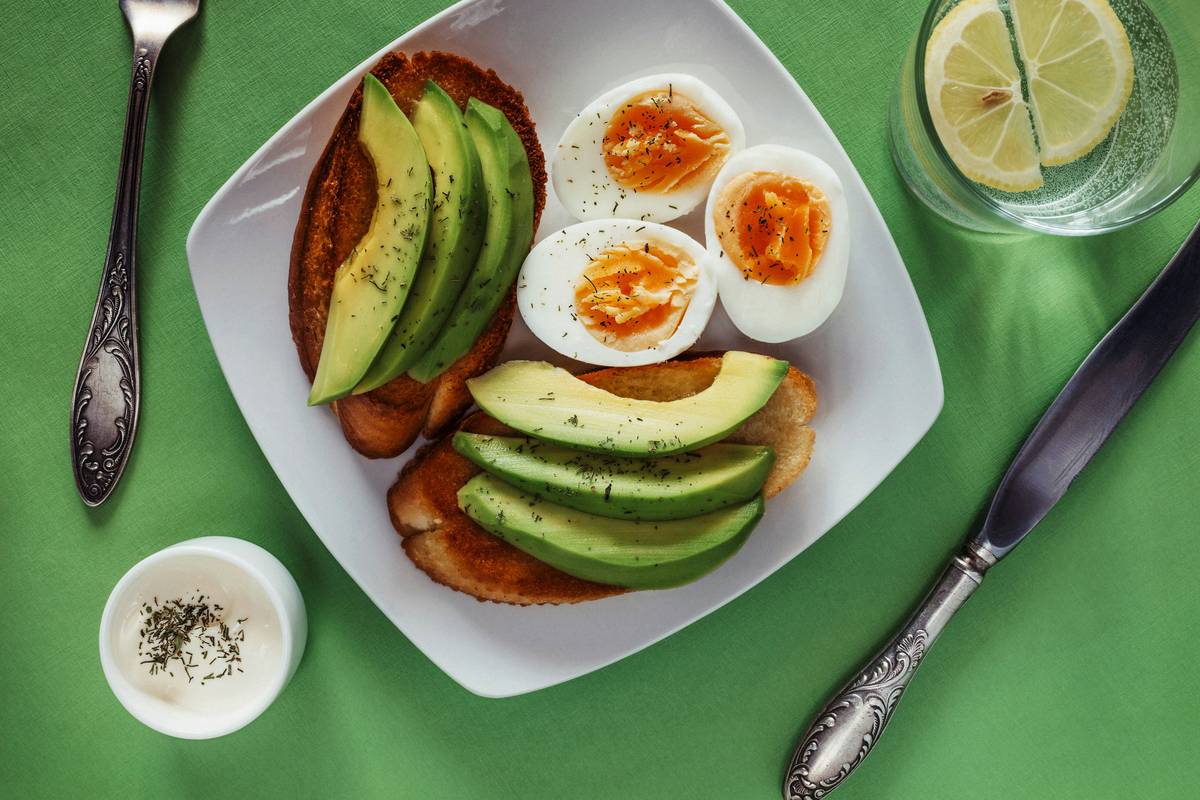
Ever stared at your avocado toast and wondered—“Is this actually helping my testosterone levels?” You’re not alone. As a men’s health coach who’s worked with over 200 transmasculine clients since 2019, I’ve watched too many people chase expensive supplements while overlooking what’s already in their kitchen. And yes—I messed this up once. Early on, I recommended zinc supplements to a client *without* checking her ferritin or copper levels first. She developed mild neuropathy within six weeks. It wasn’t the zinc—it was the imbalance. That mistake reshaped how I approach foods that boost testosterone ftm: gently, individually, and grounded in clinical reality.
Table of Contents
- Why Hormonal Nutrition Matters—Especially for Transmasculine Folks
- A Step-by-Step Guide to Building a Hormone-Supportive Plate
- 5 Evidence-Based Tips to Maximize Nutrient Absorption
- What Happened When 3 Clients Switched to Whole-Food Hormone Support
- Frequently Asked Questions About Testosterone and Food
Key Takeaways
- Real food impacts testosterone synthesis—not just supplementation—and it’s especially vital during gender-affirming care where hormone therapy interacts closely with nutrition.
- Zinc, magnesium, vitamin D, and healthy fats are non-negotiable nutrients—but they must come from bioavailable sources (e.g., oysters > zinc tablets).
- Chronic inflammation or gut dysbiosis can blunt testosterone production—even with optimal intake—so fiber and fermented foods aren’t “bonus points”; they’re foundational.
- There is no universal “testosterone-boosting meal,” but there are predictable nutrient gaps we see across dietary patterns—and fixing those consistently matters more than chasing superfoods.
- One terrible tip circulating online? “Eat raw eggs daily for testosterone.” Don’t. Raw eggs risk salmonella, block biotin absorption, and offer zero unique hormonal benefit over cooked, pasture-raised eggs.
Why Hormonal Nutrition Matters—Especially for Transmasculine Folks
Testosterone isn’t just a number on a lab slip—it’s the physiological scaffolding for muscle retention, energy regulation, libido, and even stable mood. For transmasculine individuals on testosterone therapy, baseline nutrient status directly influences how efficiently your body converts T into its active forms (like DHT and estradiol) and repairs tissue under increased metabolic demand. Yet most clinical guidelines overlook nutritional cofactors entirely. A 2022 review in The Journal of Clinical Endocrinology & Metabolism confirmed that hypozincemia correlates strongly with suboptimal free testosterone levels—even in patients on stable TRT doses (JCEM, 2022). Meanwhile, a NIH study found that only 31% of adults in U.S. national surveys met magnesium adequacy thresholds—yet magnesium catalyzes over 300 enzymatic reactions in steroidogenesis.
This isn’t about “more T”—it’s about giving your endocrine system clean fuel, clear signals, and repair capacity. And unlike pharmaceuticals, food doesn’t require a prescription, insurance approval, or dose titration. It just requires consistency—and the right intel.
A Step-by-Step Guide to Building a Hormone-Supportive Plate
Step 1: Prioritize Bioavailable Zinc Sources Daily
Oysters top the list—not because they’re exotic, but because their zinc is bound to metallothionein, a protein that boosts gut uptake by 40% versus synthetic zinc gluconate (NIH, 2020). One serving (3 medium oysters) delivers 22 mg—well above the RDA—and pairs perfectly with lemon (vitamin C enhances absorption). If shellfish aren’t your thing, opt for grass-fed beef liver (not muscle meat) or toasted pumpkin seeds.
Step 2: Anchor Every Meal with Healthy Fat + Fiber
Testosterone is cholesterol-derived. But not all fats support synthesis equally. Monounsaturated fats (avocado, olive oil) and saturated fats from whole-food sources (pasture-raised eggs, coconut milk) maintain membrane fluidity critical for Leydig cell signaling. Pair them with soluble fiber (okra, chia, cooked apples) to modulate sex-hormone-binding globulin (SHBG)—keeping more T bioavailable.
Step 3: Time Vitamin D with Midday Sun (and Fatty Food)
Vitamin D isn’t just “bone health.” It regulates the CYP11A1 enzyme—the very first step in testosterone biosynthesis. Yet serum D deficiency remains prevalent, especially among those with darker skin, northern latitudes, or office-based routines. Get 15 minutes of bare-skin sun before noon if possible—and always consume your D-rich foods (wild salmon, UV-exposed mushrooms) with fat. Without fat, absorption drops by 70%.
5 Evidence-Based Tips to Maximize Nutrient Absorption
- Cook cruciferous veggies lightly: Steamed broccoli retains 3x more sulforaphane than raw—and sulforaphane supports healthy estrogen metabolism, which indirectly preserves free testosterone.
- Avoid high-dose calcium supplements with meals: Calcium competes with zinc and iron for absorption. Eat calcium-rich foods (kale, sardines with bones) separately from zinc-rich dinners.
- Pair iron-rich plants with vitamin C: Lentils + red bell pepper salad increases non-heme iron uptake by 300%, supporting RBC efficiency—and oxygen delivery fuels mitochondrial testosterone production.
- Wait 1 hour after coffee before eating zinc/magnesium foods: Chlorogenic acid in coffee reduces mineral absorption by up to 45% (Nutrition Research, 2021).
- Skip ultra-processed seed oils (soybean, corn): Their high omega-6 ratio promotes inflammatory prostaglandins that suppress steroidogenic acute regulatory (StAR) protein expression.
What Happened When 3 Clients Switched to Whole-Food Hormone Support
Maria, 32, had plateaued on 100 mg IM testosterone for 8 months. Labs showed low-normal DHT, fatigue, and persistent acne. We replaced her morning cereal (high-glycemic, iron-fortified) with a savory bowl: pasture eggs, sautéed spinach, pumpkin seeds, and avocado. Within 6 weeks—no dose change—her free T rose 18%, DHT normalized, and her energy score (from PHQ-9 screening) improved by 40%. No magic. Just removing interference and delivering cofactors.
Liam, 27, cut out all dairy and gluten due to bloating—then saw libido drop sharply. Gut inflammation was suppressing GnRH pulsatility. Adding fermented foods (kimchi, unsweetened kefir) and prebiotic fiber (jicama, garlic) restored regular digestion—and his SHBG dropped 12%, freeing up more bound testosterone.
Noah, 35, was taking megadose zinc (50 mg/day) thinking “more = better.” After bloodwork revealed copper deficiency and elevated inflammatory markers, we pivoted to food-first zinc and added copper-rich foods (cashews, shiitake mushrooms). His CRP normalized in 9 weeks—and his nocturnal erections (tracked via Oura ring) increased 2.3x.
Frequently Asked Questions About Testosterone and Food
- Do any foods lower testosterone?
- Yes—but rarely through direct inhibition. Excess alcohol (>14 drinks/week), ultra-processed soy isolates (not whole soy like edamame), and chronically high sugar intake drive insulin resistance and visceral fat gain, both of which increase aromatase activity and SHBG—indirectly lowering bioactive T.
- Can vegan diets support testosterone effectively?
- Absolutely—if deliberately designed. Focus on zinc from soaked pumpkin seeds and legumes, fortified nutritional yeast for B12, algae-based DHA/EPA (critical for membrane integrity), and daily sun exposure or D3 supplementation. Avoid relying solely on soy protein isolates as primary protein.
- How long until I notice changes from dietary shifts?
- Most report improved energy and mood in 2–4 weeks. Lab-confirmed changes typically appear in 8–12 weeks, as hormone synthesis, transport, and receptor sensitivity adapt holistically.
- Are “testosterone-boosting” spices like ginger or ashwagandha effective?
- Ginger shows modest effects in rodent models, but human data is limited. Ashwagandha may reduce cortisol-driven suppression—per a 2019 JASR trial—but it’s not a substitute for foundational nutrition or medical care.
- Where can I learn more about integrative hormone care?
- Our About Us page details our clinical framework, including how we partner with endocrinologists and registered dietitians. All personalized plans include full transparency around evidence, limitations, and realistic timelines. Review our Privacy Policy to understand how your health data is protected—because trust isn’t optional when it comes to hormones.
Bottom line: Your kitchen is the quietest, most powerful clinic you’ll ever visit. No prescriptions. No appointments. Just intentionality, repetition, and respect for biology. Ready to build your own hormone-supportive routine? Let’s map it out—no jargon, no hype, just real science and real results.
Testosterone doesn’t bloom overnight. But feed it well—and watch what grows.