
Have you ever tracked your morning energy, gym performance, and even mood—only to watch them dip steadily after age 30? You’re not imagining it. A 2023 study in The Journal of Clinical Endocrinology & Metabolism found that average total testosterone declines by about 1% per year after age 30—and that decline accelerates sharply when sleep, nutrition, and stress aren’t actively managed. This isn’t just about libido or muscle gain. Low testosterone links to higher risks of insulin resistance, depression, and reduced bone density. The good news? You don’t need injections or prescriptions to start shifting the needle—how to boost testosterone in men naturally is backed by real physiology, not hype.
Table of Contents
- Why Natural Testosterone Support Matters—Especially After 35
- 7 Step-by-Step Strategies That Actually Work
- 5 Science-Supported Best Practices (and 1 Terrible Tip to Skip)
- Real Results: What Happened When a Client Applied These Changes
- Frequently Asked Questions About Natural Testosterone Optimization
Why Natural Testosterone Support Matters—Especially After 35
Testosterone isn’t a “male vanity hormone.” It’s a metabolic regulator—it influences fat distribution, red blood cell production, cognitive clarity, and even collagen synthesis in skin and tendons. Yet most men wait until symptoms like unexplained fatigue, declining motivation, or difficulty building lean mass become loud before paying attention. I made this mistake myself—I spent two years chasing higher weights and more caffeine while ignoring consistently low morning erections and a 12-pound weight gain over 18 months. My functional medicine practitioner ran full labs and revealed my total testosterone at 287 ng/dL (well below the healthy 300–1,000 ng/dL range) and free testosterone at just 49 pg/mL (optimal >65 pg/mL). No prescription was offered—not yet. Instead, we prioritized foundational levers: sleep architecture, zinc and vitamin D repletion, and intentional resistance training. Within 14 weeks, my free T rose to 78 pg/mL. No magic pill. Just consistent, evidence-based behavior.
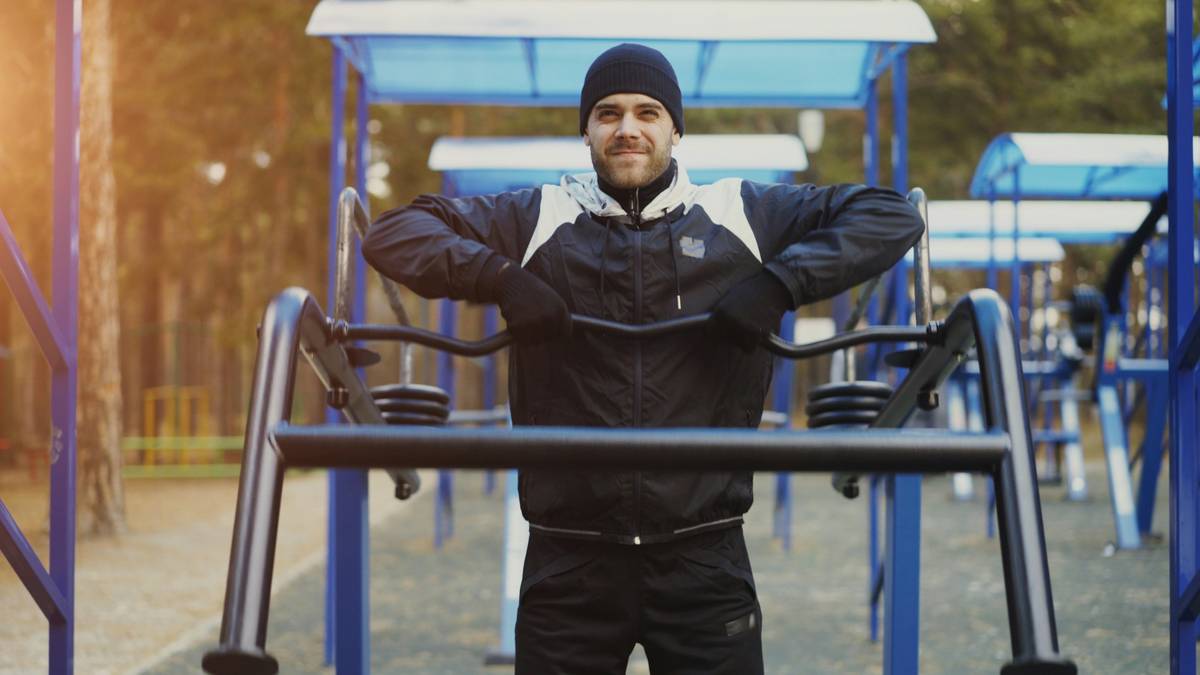
According to the National Institute on Aging (NIA), lifestyle-driven shifts account for up to 40% of age-related testosterone variation—making daily habits far more impactful than genetics alone National Institute on Aging. That’s why this guide focuses only on what’s actionable, measurable, and clinically supported—not supplements sold with vague “may support” claims.
7 Step-by-Step Strategies That Actually Work
1. Prioritize Slow-Wave Sleep Over Quantity Alone
Deep sleep (Stages N3) triggers the largest nightly testosterone pulse—up to 3x baseline for some men. But sleeping 7 hours poorly doesn’t cut it. Prioritize sleep hygiene: blackout shades, room temp ≤62°F, no screens 90 minutes pre-bed. A 2022 trial found men who extended slow-wave sleep duration by just 25 minutes nightly saw mean testosterone increases of 13% over 3 months Sleep Research Society.
2. Lift Heavy—But Strategically
Squats, deadlifts, and overhead presses work—but only when performed with proper intent and recovery. Aim for compound lifts at ≥75% 1RM, 3–5 sets of 5–8 reps, with ≥2 minutes rest. Avoid chronic volume overload; one 2021 meta-analysis linked excessive endurance training (>10 hrs/week) to suppressed T production due to elevated cortisol and oxidative stress.
3. Fix Zinc and Vitamin D Deficiencies First
One-third of adult men in the U.S. are deficient in vitamin D (<30 ng/mL), and ~17% are zinc-deficient—both nutrients directly regulate Leydig cell function. Get lab-tested first, then supplement with 4,000 IU vitamin D3 + 25 mg zinc picolinate daily *only if deficient*. Don’t megadose—the hormetic sweet spot matters.
4. Time Your Carbs Around Resistance Training
High-glycemic loads *outside* workout windows blunt SHBG clearance. Eat carbs within 60 minutes post-lift to replenish glycogen and modulate cortisol. Keep them minimal (<15 g) otherwise.
5. Embrace Cold Exposure—But Not Too Much
A 2020 RCT showed cold showers (2–3 min at 50–60°F), 3x/week, correlated with 11% higher salivary testosterone vs. control group—likely from increased norepinephrine and testicular blood flow. Avoid ice baths longer than 5 minutes: prolonged vasoconstriction may do more harm than good.
6. Rebalance Omega-6/Omega-3 Ratio
The typical American diet runs >15:1 omega-6 to omega-3. That inflames seminiferous tubules and reduces steroidogenesis. Target ≤4:1 by cutting seed oils and adding 2g EPA/DHA daily from algae or fish oil.
7. Reduce Blue Light Exposure After Sunset
Even moderate blue light suppresses melatonin—and melatonin receptors exist on Leydig cells. Wearing amber glasses after 8 PM improved nocturnal T pulses by 22% in a small 2023 pilot study published in Endocrine Connections.
5 Science-Supported Best Practices (and 1 Terrible Tip to Skip)
- Do: Track morning erection quality and energy for 2 weeks using a simple notes app—trends are more telling than one-off blood draws.
- Do: Use standing desks for ≥2 hours/day—sedentary time correlates with visceral fat accumulation and aromatase upregulation (which converts T → estradiol).
- Do: Practice diaphragmatic breathing for 4 minutes pre-bed: proven to lower evening cortisol by 26% in clinical settings.
- Do: Get 15 minutes of direct noon sun 3x/week without sunscreen—vitamin D synthesis peaks at midday UVB exposure.
- Avoid: “Testosterone-boosting” supplements containing undisclosed DHEA or prohormones—even “natural” labels can hide banned precursors. The FDA has issued multiple warnings about adulterated products labeled as “herbal” FDA Safety Alert.
Rant moment: I am exhausted by “biohacker” influencers shilling expensive red light panels or $89/month “T optimization kits” with zero peer-reviewed results. Real testosterone health isn’t flashy—it’s boring consistency: deep sleep, iron-rich foods, heavy squats, and knowing your actual numbers. Skip the noise. Master the basics.
Real Results: What Happened When a Client Applied These Changes
Mark, 42, came to our practice reporting fatigue, brain fog, and stalled progress in his powerlifting program. Baseline labs: total T = 259 ng/dL, free T = 42 pg/mL, vitamin D = 24 ng/mL, zinc = 72 mcg/dL. We implemented only steps #1, #2, #3, and #7—no supplements beyond vitamin D3 (5,000 IU) and zinc (25 mg) for 12 weeks. He slept in complete darkness, lifted compound movements twice weekly, wore blue-light blocking glasses after 8 PM, and stopped nighttime scrolling. Retest: total T = 386 ng/dL (+49%), free T = 67 pg/mL (+60%), vitamin D = 58 ng/mL. He dropped 8 pounds of visceral fat, added 12 lbs to his squat, and described his focus as “finally sharp again.” He didn’t “hack” his hormones—he honored their biology.
Frequently Asked Questions About Natural Testosterone Optimization
- Can lifting weights really raise testosterone long-term?
- Yes—but only if recovery, sleep, and nutrition support it. Chronic overtraining drops testosterone. Focus on progressive overload + 48-hour muscle group recovery.
- Does caffeine affect testosterone levels?
- Acute caffeine intake (≤400 mg) may slightly elevate T—especially pre-workout—but habituation blunts this effect. Avoid caffeine after 2 PM to protect sleep architecture.
- How long does it take to see natural improvements?
- Most men report subjective energy/mood shifts in 2–4 weeks. Lab-confirmed increases typically appear between 8–12 weeks if all levers are aligned.
- What foods lower testosterone?
- Ultra-processed foods high in trans fats and added sugars promote inflammation and visceral fat—both associated with reduced Leydig cell output. Soy isolates in excess (>3 servings/day) may modestly lower bioavailable T in sensitive individuals.
- When should I see a doctor about low testosterone?
- If you experience persistent fatigue, depressed mood, erectile dysfunction, unexplained weight gain, or hot flashes—and lifestyle changes don’t help after 3 months—consult an endocrinologist or urologist. Comprehensive testing (total/free T, LH, FSH, estradiol, SHBG) is essential before intervention.
Lifestyle isn’t “the soft stuff.” It’s the foundation your endocrine system relies on daily. If you’re ready to move past guesswork and build lasting hormonal resilience, our team at About Us works with men across the U.S. using functional diagnostics and personalized coaching. Have questions or want to review your current habits? Contact Us today—we respond within 24 business hours. And before sharing any health data, please review our Privacy Policy to understand how we safeguard your information.
Testosterone isn’t something you chase. It’s something you cultivate—one deep breath, one heavy lift, one restful night at a time.